Meetings & Activity
The Innes Laboratory has been investigating molecular mechanisms underlying host-induced gene silencing in plants, which involves transfer of regulatory RNAs from plants to pathogens and pests, including insects. As part of these investigations, we have shown that Arabidopsis secretes diverse RNAs into the leaf apoplast and leaf surface. To extend this discovery to crop plants, we have initiated a study in maize. Dr. Kendall Corbin brings expertise in plant-insect interactions and RNA-based pest management, contributing to research on controlling pests like the fall armyworm.
Lab experiments often miss the full complexity that is present in the real world conditions, especially when studying microbiomes. To address this gap, we have collected leaf samples from maize grown in the field and then isolated leaf surface RNAs as well as apoplastic RNAs. We also wanted to know whether these RNAs differed under biotic stress conditions, so we also collected leaves from maize plants infested with Fall Army Worm. Using these samples, we are trying to understand how extracellular RNAs, the plant microbiome, and insect pests interact in real-world conditions.
Megha H. Sampangi-Ramaiah, a postdoctoral researcher in Dr. Roger Innes’ lab, is combining careful experimental design with computational analysis to unravel complex networks and uncover how extracellular RNAs—both leaf surface and apoplastic—shape the maize microbiome. To achieve this, we have integrated RNA-seq, sRNA-seq, metatranscriptomics, metagenomics and molecular biology techniques to link RNA profiles with microbiome composition and plant-insect interactions.
Through this collaborative effort, we hope to uncover the complex interaction between extracellular RNAs and the maize microbiome. The team is addressing a key question: how do extracellular RNAs influence microbial behaviour and plant health? Long term, we hope to be able use extracellular RNAs to promote plant health via promoting a healthy microbiome that will protect plants from infection by pathogenic organisms.
Maze of Maize:
Decoding the Maize Leaf Surface RNA–Microbiome–Insect Network
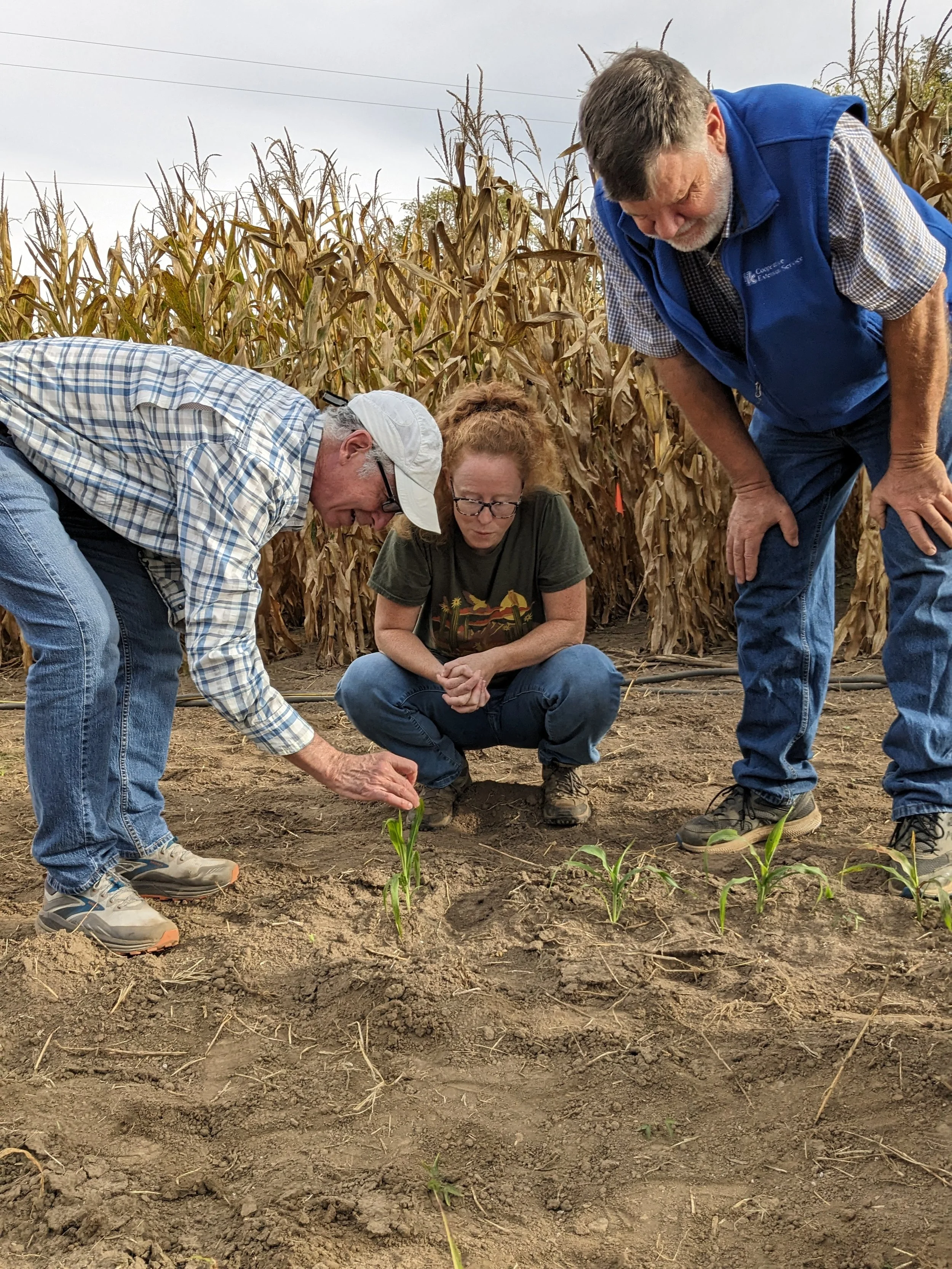
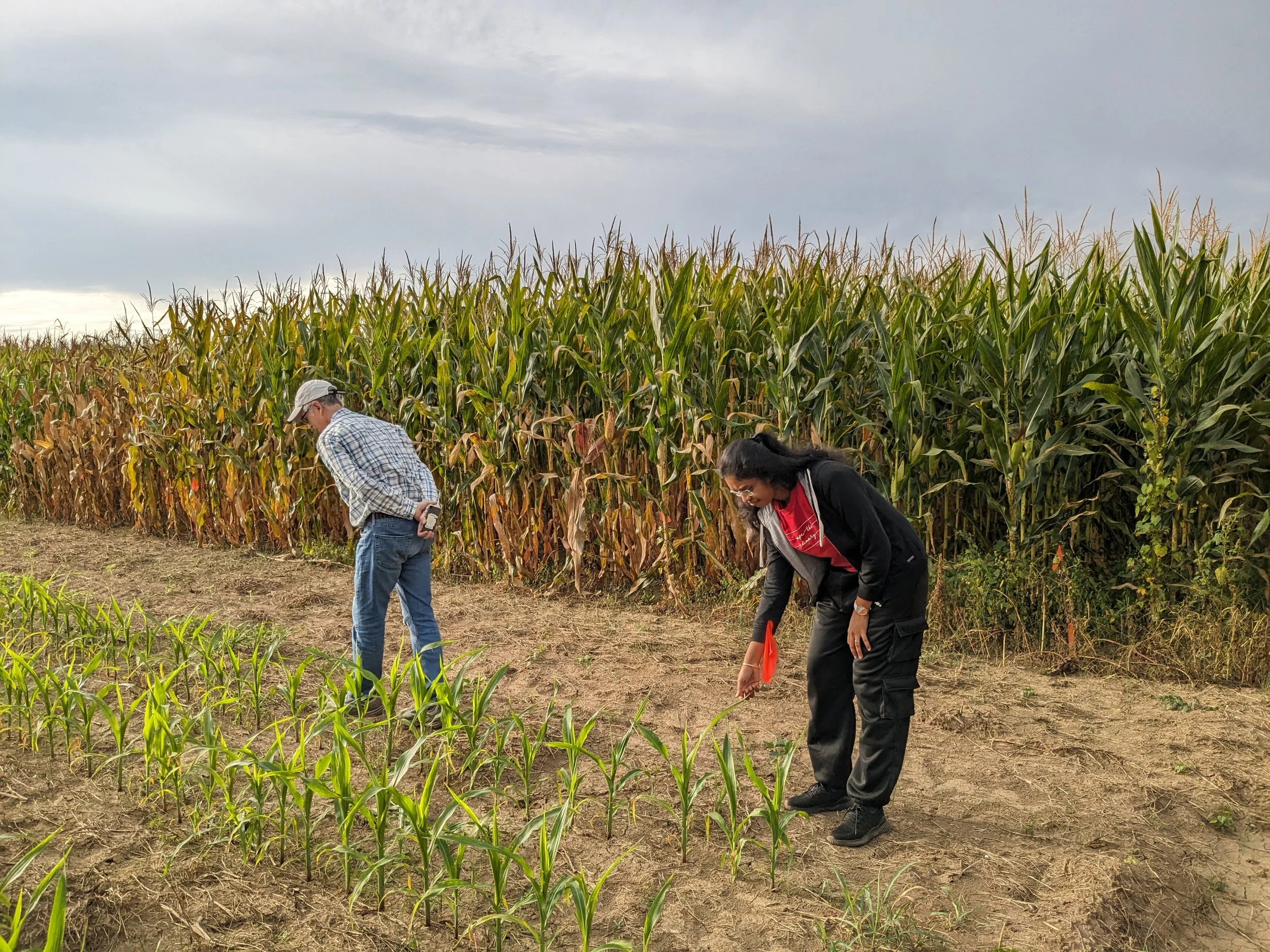
Dr. Roger Innes and Dr. Kendall Corbin examining the fall army worm infested maize plants.
Dr. Roger Innes and Dr. Megha H Sampangi-Ramaiah preparing to collect maize leaf samples from the fields at the University of Kentucky for extracellular RNA isolations from leaf surface and apoplast and collection of leaf surface bacteria.

Summer 2025 Interns:
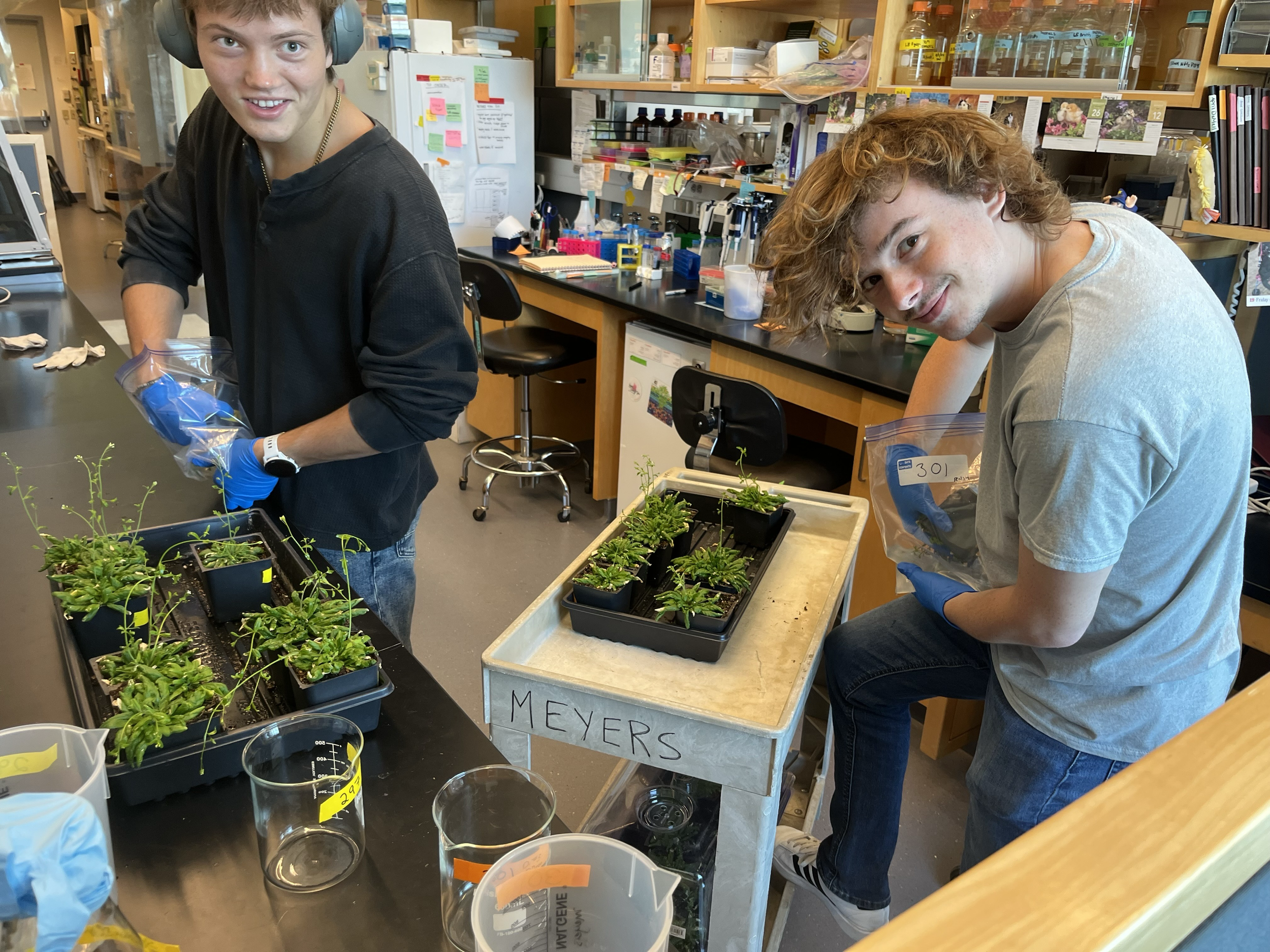
Jason and Owen Wrap Up Their Genome Center Experience
This summer, we were thrilled to host Jason (University of Arkansas) and Owen (Indiana University) as interns in the Baldrich Lab at the Genome Center at UC Davis. During their time here, they contributed to an exciting project aimed at understanding extracellular RNA (exRNA) biology. Their work included generating CRISPR constructs to target candidate RNases thought to be involved in exRNA processing, as well as isolating exRNA from different plant species under various stress conditions to investigate how exRNA populations shift in response to environmental cues.
Jason and Owen brought incredible energy, creativity, and curiosity to the lab, and their contributions have laid important groundwork for future discoveries. We’re grateful for their time with us and can’t wait to see what they do next, Jason is heading to graduate school in Alabama, while Owen will return to Indiana University to continue his undergraduate studies.
Thank you both for a great summer!
D2R2 2025 Annual Meeting
at The University of Arkansas
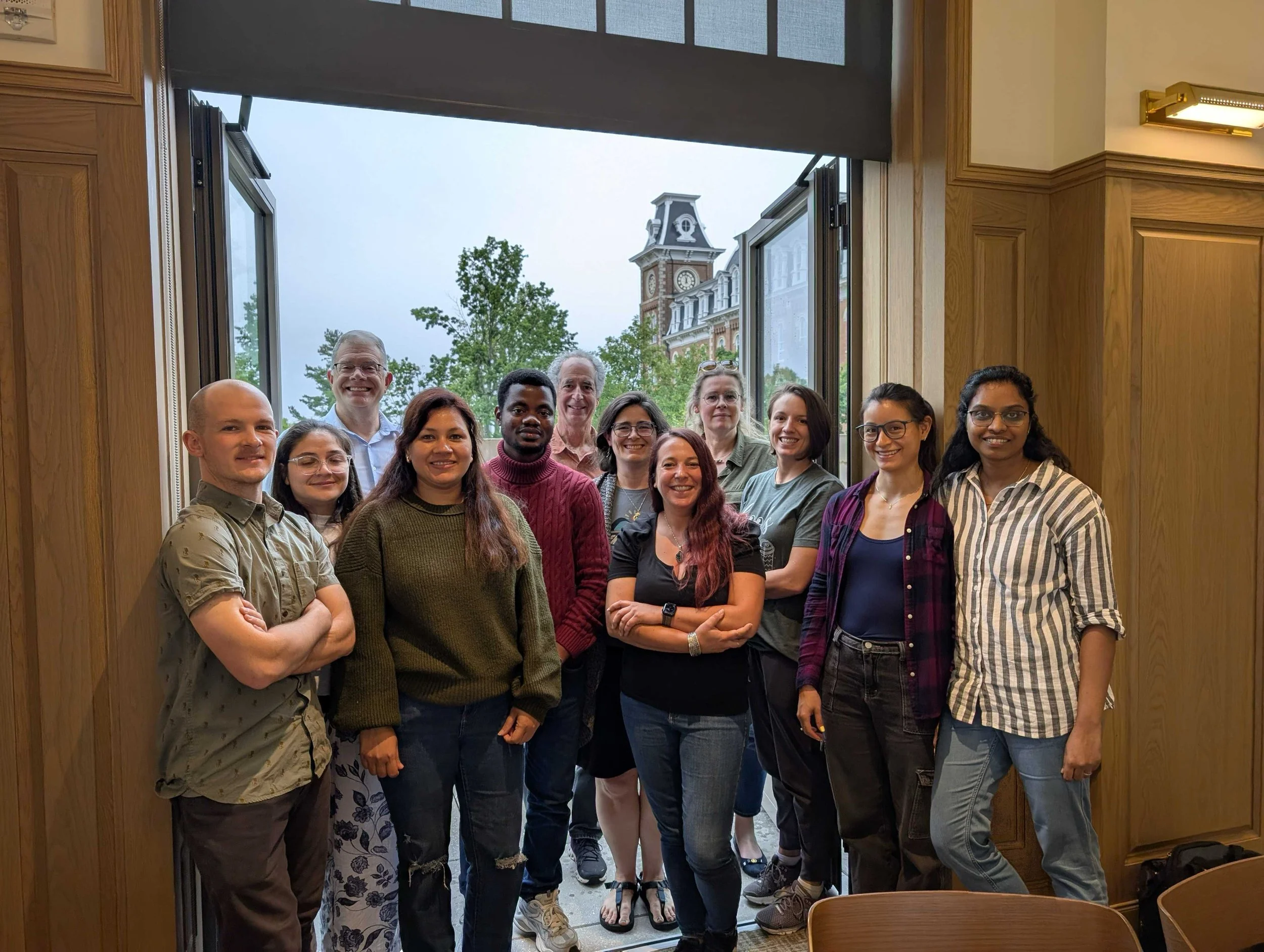
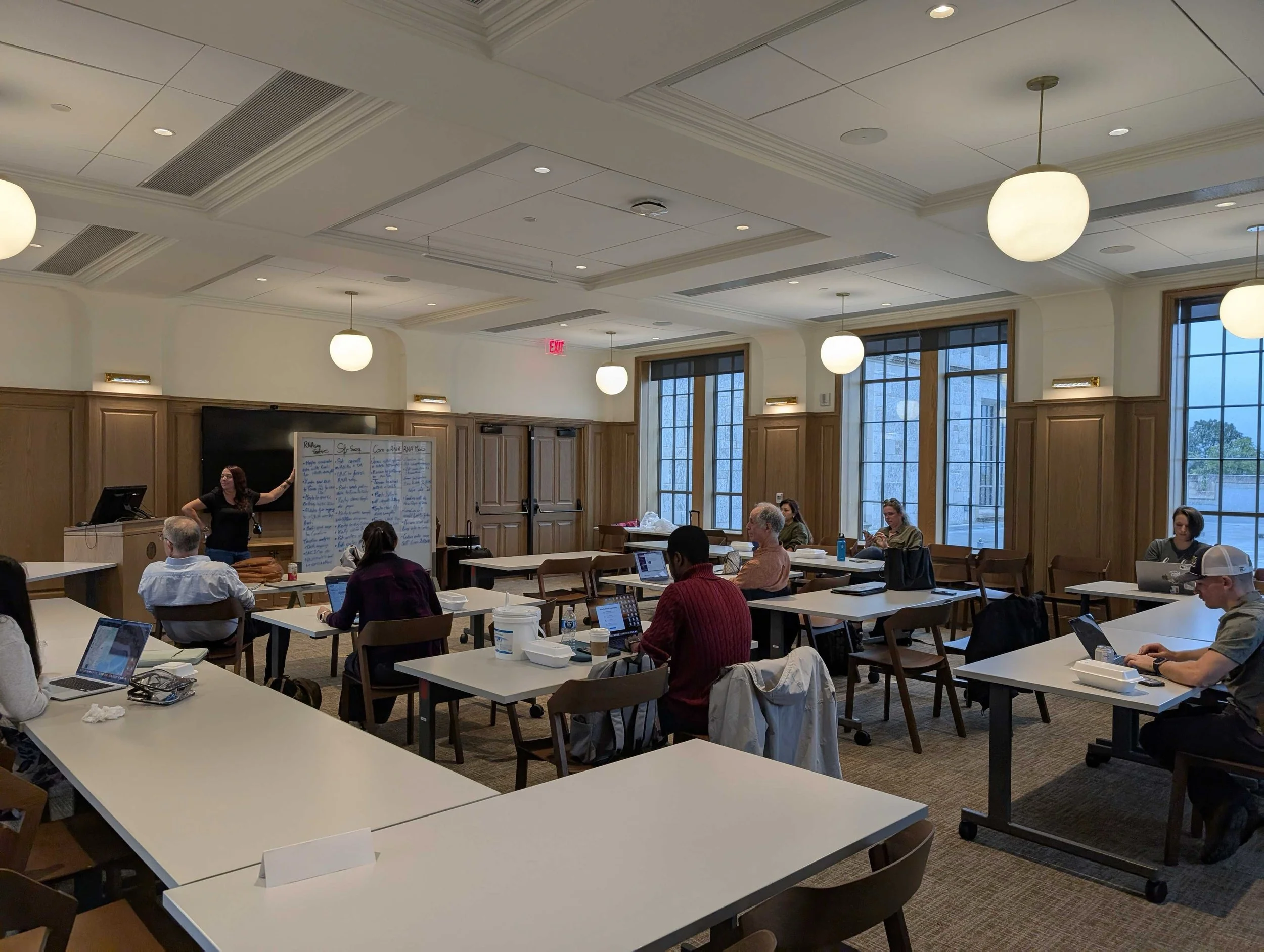
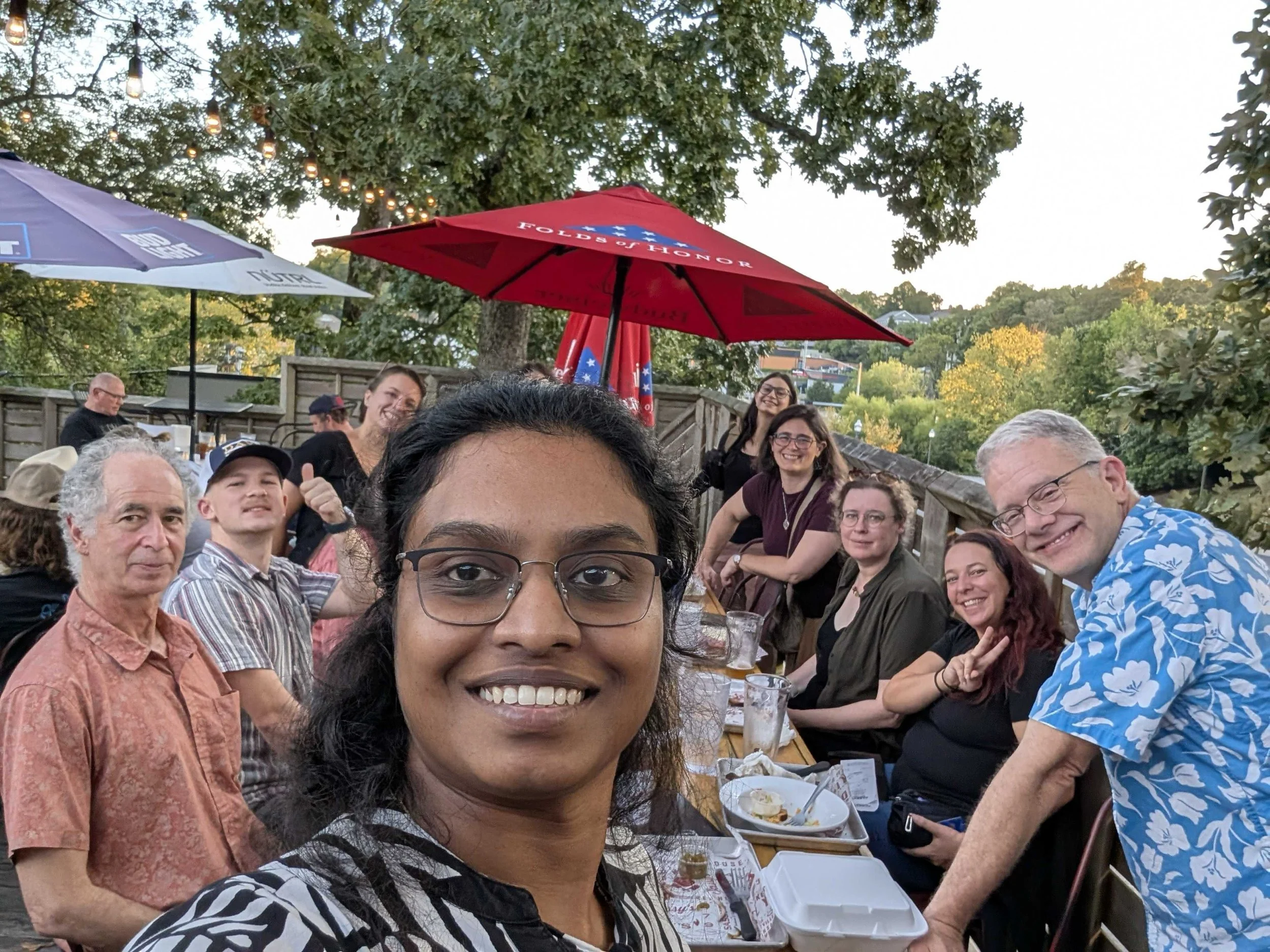
This September, each available group for the D2R2 project met at Dr. Erica Westerman’s lab at the University of Arkansas. For two days, the team discussed the progress being made and discussed the various papers that could be written as output for the completed research. Post Docs and graduate students from the University of North Carolina, Clemson University and Indiana University presented on the current status of bioinformatics analysis and its challenges, maize testing on syncoms, and long read sequencing outputs which were completed on the Oxford Nanopore.
Next stop, Indiana University for the final meeting for this exciting project!